Sticky Trash Residue After Collection Day in Venus, TX
Trash collection day should leave you with an empty garbage can, not a sticky mess at the bottom. Yet many homeowners in Venus, TX, discover that even after their trash has been collected, a layer of grime, dried liquids, or stubborn residue remains inside their bins.
The problem usually starts with leaking garbage bags, food waste, and liquids that settle against the bottom and walls of the container. Over time, these materials can create sticky buildup that produces unpleasant odors and becomes difficult to remove with a quick rinse.
A professional trash can cleaning service can help remove accumulated grime and make routine bin maintenance easier. Understanding why residue forms, how to clean it properly, and how to reduce future buildup can help you keep your garbage cans in better condition between collection days.

Why Sticky Residue Remains After Trash Collection
Garbage trucks empty the contents of trash cans, but they do not wash the containers themselves. Even when every bag is removed, liquids and small particles can remain attached to the interior surfaces.
Several everyday household materials contribute to this buildup.
Leaking Garbage Bags
One of the most common causes of sticky trash residue is a leaking garbage bag.
Kitchen waste often contains moisture from food scraps, beverages, sauces, and other liquids. When a bag develops a small tear or puncture, those liquids can escape into the trash can.
As moisture collects at the bottom, it mixes with dirt and organic particles. Once the liquid begins to dry, it can leave a sticky film that remains after collection.
Even heavy-duty garbage bags can leak if they are overloaded or punctured by sharp packaging.
Food Waste and Organic Material
Food scraps can leave behind oils, sugars, and other substances that cling to plastic surfaces.
Common examples include:
Meat packaging containing leftover juices
Fruit scraps and vegetable peelings
Spilled drinks and sticky sauces
Greasy takeout containers
Food residue from discarded packaging
These materials can settle into the textured areas of a garbage can, particularly around the bottom corners and interior seams.
As the residue accumulates, removing it becomes more difficult.
Trash Bags Breaking During Collection
Sometimes the residue appears after the garbage truck empties the bin.
Trash bags may tear while being lifted or compressed, releasing liquids and small pieces of waste. Although the main contents are collected, some material can remain stuck to the container.
A can that looked relatively clean before pickup may therefore contain new residue afterward.
Heat and Dried-On Buildup
Warm weather can make sticky residue more noticeable.
During hot periods in Venus, TX, moisture inside an outdoor garbage can may evaporate, leaving concentrated oils, sugars, and other material attached to the plastic.
Heat can also accelerate the decomposition of food waste, making unpleasant odors more noticeable.
Once the residue has dried, spraying the bin briefly with water may not be enough to loosen it.
Why an Empty Trash Can Can Still Smell Bad
An empty garbage can is not necessarily a clean garbage can.
Odors often come from substances left behind after waste collection rather than from the garbage bags themselves.
Small amounts of organic material can remain along the bottom, beneath the lid, or against the walls of the container. When moisture reaches these areas, unpleasant smells can develop again.
A trash can may appear empty while still containing:
A thin layer of food grease
Dried liquid from leaking bags
Sticky residue along interior corners
Small particles of organic waste
Moisture trapped beneath accumulated grime
These conditions can also attract flies and other insects, particularly when food residue remains accessible.
Regular cleaning removes material that contributes to these problems. However, odors can return when new waste or liquids enter the container.
How to Remove Sticky Trash Residue After Collection Day
The easiest time to inspect a garbage can is immediately after collection, when the container is empty.
Before returning the bin to its usual storage location, look inside to see whether any waste, moisture, or residue remains.
Start by Removing Loose Debris
Check the bottom and corners for small pieces of garbage that were not collected.
Wear household cleaning gloves when handling waste, and avoid reaching blindly into the container because sharp objects may be present.
Remove loose debris carefully and dispose of it according to your local waste collection requirements.
This allows you to see which areas need additional cleaning.
Loosen Sticky Material With Water and Mild Detergent
For ordinary household residue, warm water and a mild detergent suitable for the container can help loosen buildup.
Apply the cleaning solution to the affected areas and allow enough time for the residue to soften.
A soft-bristled brush can help loosen stubborn material without unnecessarily scratching the plastic.
Pay particular attention to the bottom corners, where liquids commonly collect.
Avoid using sharp metal tools to scrape residue from plastic bins, as these can damage the surface.
Rinse Thoroughly and Allow the Bin to Dry
After scrubbing, rinse away loosened material and detergent according to the cleaning product instructions.
Avoid directing dirty wash water into storm drains.
Allow the container to dry before adding new garbage. Leaving the lid open while the can dries can help reduce trapped moisture.
If sticky buildup remains after repeated cleaning, a more thorough washing process may be useful.
When a Trash Can Cleaning Service Makes Sense
Some garbage cans only need occasional household cleaning. Others develop enough residue that washing them becomes an unpleasant, time-consuming task.
A professional trash can cleaning service can be particularly helpful when buildup spreads across the bottom and walls or returns frequently.
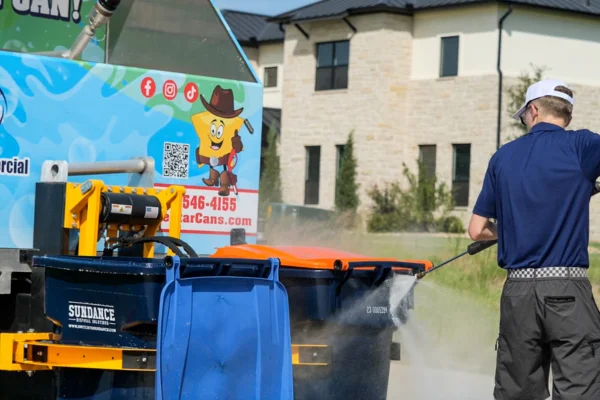
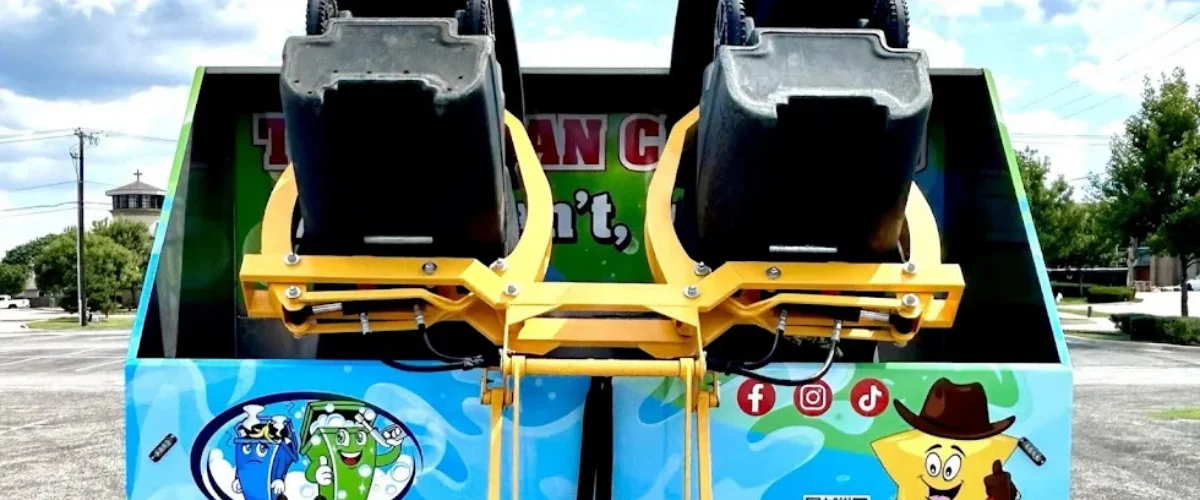
At LoneStar Cans, we use specialized hot-water, high-pressure cleaning equipment to wash garbage bins and remove accumulated grime. Our curbside cleaning process also includes sanitizing and deodorizing, and we collect the dirty wash water.
This provides a more thorough cleaning approach than simply spraying loose debris out of a container with a garden hose.
Professional cleaning is especially worth considering when:
Sticky material covers a large portion of the bin.
Dried food residue is difficult to remove.
Unpleasant odors remain after household rinsing.
Multiple garbage bags have leaked into the container.
You want a more consistent cleaning routine.
A professional cleaning does not prevent all future leaks or odors. Its value comes from removing existing buildup and helping you maintain a cleaner container.
Simple Habits That Help Prevent Sticky Residue
Cleaning an already dirty garbage can solves the immediate problem, but changing a few disposal habits may reduce how quickly residue returns.
Drain Excess Liquids Before Throwing Items Away
Liquid waste is a major contributor to sticky buildup.
Before disposing of food packaging, empty excess liquids where appropriate rather than allowing them to collect in the garbage bag.
For example, an empty beverage container should not contain enough leftover liquid to spill throughout the bag.
Always follow local disposal guidance for materials that should not enter household drains.
Use Garbage Bags That Fit Properly
A bag that is too small for the amount of waste can stretch, tear, or become difficult to close securely.
Choose a bag with enough capacity for your household's usual garbage volume.
Avoid overfilling it, and tie the opening securely before placing it in the outdoor cart.
For particularly wet waste, additional containment may help reduce leaks.
Keep Food Waste Contained
Unwrapped food scraps can leave residue even when placed inside a garbage bag.
Containing especially wet or greasy food waste before disposal can reduce direct contact with the bag and lower the chance of leaks.
Be mindful of sharp bones, broken packaging, and other objects that might puncture the liner.
Check the Bin After Every Pickup
A quick inspection after collection can help you catch a minor spill before it becomes stubborn buildup.
Look for fresh moisture, loose food particles, and visible residue.
Removing small amounts of grime early is usually easier than dealing with several weeks of accumulated material.
Keep the Lid Closed Between Uses
Closing the lid helps limit the amount of rainwater entering the container and reduces access for insects.
Check that the lid closes properly and that garbage is not preventing it from sitting flat.
A closed lid will not stop every odor or pest problem, but it is a useful part of routine trash can maintenance.
Why Collection Day Is a Practical Time for Bin Cleaning in Venus, TX
The period after trash pickup provides a convenient opportunity to clean the interior of a garbage can.
The container is already empty, allowing better access to areas that are normally covered by garbage bags.
Cleaning before the bin is filled again also reduces the need to move or temporarily store household waste.
For homeowners in Venus, TX, this timing can be especially useful during warmer months, when food residue and moisture may create noticeable odors more quickly.
At LoneStar Cans, our curbside cleaning service fits naturally into this part of household waste management. We use professional equipment to wash, sanitize, and deodorize trash cans without requiring homeowners to transport the containers to another location.
Whether you clean your bins yourself or arrange professional service, checking them after pickup is a practical habit.
How Often Should You Clean Your Garbage Cans?
There is no single cleaning schedule that works for every household.
The appropriate frequency depends on how quickly residue develops and how much waste your household produces.
A home that regularly disposes of food scraps, diapers, pet waste, or other moisture-containing materials may need more frequent cleaning than a household that produces mostly dry waste.
Consider the following factors when deciding how often to clean your bins:
Household size: More people may generate larger quantities of garbage.
Food waste: Frequent disposal of wet or greasy food can increase residue.
Bag leaks: Repeated spills may require more frequent washing.
Seasonal temperatures: Warm weather may make lingering odors more noticeable.
Bin condition: Existing grime and interior damage can make cleaning more challenging.
Personal preference: Some homeowners prefer routine maintenance even before visible buildup appears.
For homeowners who prefer scheduled service, LoneStar Cans offers cleaning every four, eight, or twelve weeks, along with a one-time cleaning option.
One-time service may be suitable when a particular spill leaves heavy residue. Recurring service may be more convenient for households that want to limit buildup between cleanings.
The choice depends on how quickly your garbage cans become dirty and how much maintenance you prefer to handle yourself.
Useful Products and Resources for Managing Trash Residue
A few household products and reliable cleaning resources can help reduce the likelihood of leaks and make routine bin maintenance easier.
Glad ForceFlex MaxStrength Trash Bags
Glad ForceFlex MaxStrength LeakGuard bags are designed to help resist leaks from household kitchen waste.
Choosing an appropriately sized bag and avoiding overfilling can help keep liquids contained before garbage reaches the outdoor bin.
Hefty Ultra Strong Kitchen Trash Bags
Hefty Ultra Strong kitchen trash bags feature reinforced construction designed to resist tears and punctures.
They may be useful for households that frequently dispose of heavier kitchen waste or packaging with potentially sharp edges.
CDC Household Cleaning Guidance
The Centers for Disease Control and Prevention provides guidance on cleaning household surfaces and understanding the differences between cleaning, sanitizing, and disinfecting.
This resource can help homeowners select appropriate cleaning methods and follow basic product safety practices.
EPA Household Cleaning and Water Protection Resources
The U.S. Environmental Protection Agency offers practical information about household cleaning supplies, water use, and reducing pollutants entering waterways.
These considerations are useful when cleaning outdoor containers and managing dirty wash water.
Always follow cleaning product labels, check material compatibility, and avoid mixing household cleaning chemicals.
Frequently Asked Questions About Sticky Trash Can Residue
Why Is the Bottom of My Trash Can Sticky After Pickup?
Sticky residue usually develops when liquids leak from garbage bags and mix with food particles, grease, or other waste. The garbage truck removes the main contents but does not wash away material attached to the interior.
Can I Clean Sticky Garbage Residue With Dish Soap?
Mild dish soap and warm water can help loosen many types of ordinary food-related residue. Use a soft brush when needed, rinse appropriately, and check that the cleaning product is suitable for your container.
Why Does My Garbage Can Smell Even After I Rinse It?
A quick rinse may remove loose dirt without fully removing dried organic material, oils, or buildup in corners. These remaining substances can continue producing odors, especially when moisture accumulates.
Will Cleaning My Trash Can Keep Flies Away?
Removing food residue and keeping the lid closed may make the container less attractive to flies. However, cleaning cannot guarantee that flies or other insects will never return.
Can Hot Weather Make Garbage Can Residue Worse?
Yes. Heat can accelerate the breakdown of organic waste and make odors more noticeable. Moisture may also evaporate, leaving sticky or dried-on deposits behind.
Should I Clean My Trash Can Before or After Garbage Collection?
After collection is generally more convenient because the container is empty. You can inspect the interior, remove leftover debris, and clean the surfaces before adding new garbage.
Is One-Time Trash Can Cleaning Enough?
A one-time cleaning may be sufficient for an occasional spill or a bin that rarely develops residue. If buildup returns regularly, scheduled cleaning may offer a more convenient maintenance routine.
Can Professional Cleaning Remove Old, Dried-On Trash Residue?
Professional cleaning can help remove stubborn grime and dried-on organic buildup. The final result depends on the type of residue, how long it has been present, and the condition of the container. Permanent staining or damage may remain even after cleaning.
Keep Your Trash Cans Cleaner After Collection Day in Venus, TX
Sticky residue does not have to become a permanent part of your trash can.
Checking the container after collection, preventing garbage bag leaks, and cleaning spills before they dry can significantly reduce the amount of buildup left behind.
If ordinary rinsing is no longer removing stubborn grime, a professional trash can cleaning service can help restore a cleaner interior and make ongoing maintenance easier.
At LoneStar Cans, we help homeowners in Venus, TX, manage dirty garbage bins with convenient curbside cleaning, including hot-water washing, sanitizing, and deodorizing.
If your trash cans are still sticky or unpleasant after collection day, call 817-876-1423 to discuss cleaning options and scheduling.
You can also contact us to learn more about our services and arrange the next cleaning for your garbage cans.


